
Introduction: Buying Insurance Without an Agent Smart Move or Risky Gamble?
Insurance—while a necessary expense for millions of Americans can often feel like a daunting, complicated product to purchase. Traditionally, agents have served as the helpful middleman, offering guidance and expertise on everything from the types of coverage you need to the fine print of policy documents. For many, the idea of purchasing insurance without an agent feels like a risky move. But in today’s digital age, where everything from groceries to groceries can be bought online, the option to purchase insurance directly from insurers or through online platforms is gaining popularity.
The promise of skipping the agent seems tempting: no commissions, fast quotes, and the convenience of managing everything yourself. However, as easy as it sounds, buying insurance without an agent carries its own set of risks. Insurance products are notoriously complex, and without expert advice, consumers can easily find themselves with policies that are ill-suited to their needs, leaving them vulnerable when it comes time to file a claim.
This blog explores the growing trend of buying insurance without an agent. We’ll take a critical look at the pros and cons, uncover potential pitfalls, and provide smart strategies to help you navigate the process in 2025. Our goal is to help you make informed, savvy decisions when purchasing insurance without the guidance of an agent.
Why Would Consumers Choose To Buy Insurance Without An Agent?
The Appeal:
Many consumers choose to buy insurance without an agent because of the perceived benefits, including:
- Cost Savings: One of the most immediate benefits of buying insurance without an agent is the potential for savings. Without agent commissions and fees, you may find a lower premium than what an agent might offer. Insurers often promise more competitive pricing when you skip the middleman.
- Speed and Convenience: Online platforms, mobile apps, and direct purchase options have made buying insurance faster than ever. Instant quotes and the ability to compare policies with a few clicks provide convenience that agents simply can’t match.
- Control: When you buy insurance without an agent, you get to make all the decisions yourself. You choose the coverage, the insurer, and the type of policy you want without feeling pressured by an agent to choose certain products or coverages.
- Tech Advancements: With the rise of big data, artificial intelligence, and machine learning, more companies are using sophisticated algorithms to match customers with the most suitable insurance products. In theory, these tools can make the buying process easier and more tailored to your needs than ever before.
But is it always the best path?
While these benefits are appealing, there are several challenges and risks that come with buying insurance without an agent. Without proper guidance, consumers may end up with policies that aren’t the right fit for their specific circumstances or financial situation.
Behind the Gloss: The Complexities You Might Miss Going Agent-Free
Insurance Is Vapor-Thin Without Context
Insurance is filled with terminology, conditions, and exclusions that may be confusing even for seasoned buyers. From riders and exclusions to policy limits and deductibles, understanding the fine print is crucial to making sure your coverage fully protects you. When you skip the agent, you miss out on someone who can break down the details in plain language and help you tailor the policy to your unique needs.
Without an expert guiding you, you risk buying a policy that doesn’t fully address your needs or exposes you to gaps in coverage.
Hidden Gaps and Pitfalls:
Here are a few of the key risks that consumers face when buying insurance without an agent:
- Misunderstanding Coverage Limits: Insurance policies come with various coverage limits, and selecting the minimum amount can leave you underinsured. For example, while you may think a basic homeowners policy is enough, it could fail to cover certain types of damage, like flooding or high-value personal property.
- Missing Critical Add-Ons or Riders: Many types of insurance like auto and life insurance offer optional riders or add-ons (e.g., accident forgiveness, roadside assistance, or umbrella policies). Without an agent to explain the benefits, you might overlook these additional coverages that could offer greater protection in the long run.
- Underestimating Liability Exposures: Liability coverage is often one of the most overlooked aspects of insurance. Whether it’s auto, home, or business insurance, failing to fully understand your liability exposure could leave you financially vulnerable if you’re sued or held responsible for damage.
- Pitfalls in Life and Health Policies: Life and health insurance policies come with riders, exclusions, waiting periods, and pre-existing condition clauses that can drastically affect the benefits you receive. Without an agent’s help, you could easily miss critical details that influence your policy’s value when you need it most.
Claims and Advocacy
Insurance is not just about buying a policy it’s about using it when you need it. One of the key roles an agent plays is acting as an advocate for the consumer during the claims process. Without an agent, you’re left to navigate any disputes or delays on your own. This can be frustrating and time-consuming, especially when it comes to large or complicated claims.
Agents can often speed up the process, advocate on your behalf, and help resolve issues quickly. Without this support, consumers may face extended delays, denied claims, and added stress during an already challenging time.
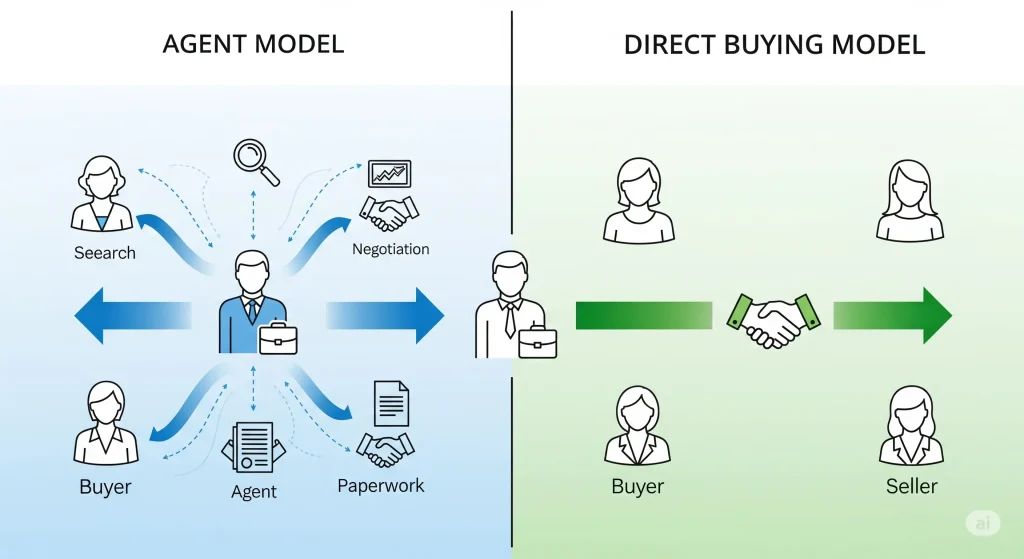
Overview of Agent vs. Direct Buying Models
Buying Direct Through Insurer:
Many insurance companies now offer the ability to purchase coverage directly via their websites, apps, or call centers (e.g., Progressive, GEICO, State Farm).
Pros:
- Faster Application and Instant Quotes: Direct purchase allows for quicker quotes and immediate policy issuance, making it ideal for consumers looking for convenience.
- Potential Savings: By bypassing the agent, you may save on commission fees, resulting in a lower premium upfront.
- Complete Control: You have full control over the decisions made regarding your coverage, from policy limits to deductibles.
Cons:
- Limited Advice Tailored to Personal Needs: Without an agent’s input, you might overlook key areas of coverage that would better suit your needs.
- Possible Miss of Better Industry Options: By sticking with a single insurer’s website or app, you might miss out on better options or deals available elsewhere.
- Impersonal Customer Service: In some cases, dealing with a large insurance company’s customer service team can feel impersonal and frustrating. There may be long wait times, and getting straightforward answers can be more difficult.
Using Agents and Brokers:
Agents are licensed professionals who work for a specific insurance company and sell its products. Brokers, on the other hand, work independently and can offer products from multiple insurance companies.
Pros:
- Expert Guidance: Agents and brokers can help you understand complex policies and find the best coverage for your specific situation. They can also help you compare products from various companies to make sure you’re getting the best deal.
- Better Understanding of Personal Risk: Agents take the time to assess your needs and risks, providing coverage that fits your situation and advising on proper limits and exclusions.
- Help in Complex Situations and Claims: Agents can help resolve issues when it comes time to file a claim or if any disputes arise. They’ll act as your advocate and help guide you through the process.
Cons:
- Added Fees or Commissions: Agents earn commissions on the policies they sell, which could mean higher premiums, especially with traditional agents.
- Potential Pressure to Buy: Sometimes agents may pressure you into buying policies or add-ons that aren’t necessary, just to boost their commissions.

Timeline: How To Buy Insurance Without An Agent
If you decide to go the agent-free route, follow these steps to make sure you’re buying the right insurance for your needs:
- Assess Your Insurance Needs: Start by taking stock of your assets, liabilities, and risks. Consider everything from your home and car to health and life insurance.
- Gather Necessary Information: Have all the necessary details at hand such as vehicle information, property details, medical history, and any other personal information needed for accurate quotes.
- Use Comparison Platforms: Websites like NerdWallet, Policygenius, or Insurify allow you to compare multiple quotes and policy options in one place, helping you identify the best deals.
- Read Policy Documents Thoroughly: Scrutinize the coverage limits, exclusions, terms, and conditions to make sure you’re not missing any important details that could affect your coverage.
- Check Customer Reviews and Complaints: Use resources like J.D. Power, Better Business Bureau (BBB), and your state’s insurance department to assess the insurer’s reputation and consumer satisfaction.
- Purchase Online or Over the Phone: Once you’ve chosen the best policy, you can finalize your purchase directly with the insurer, either online or by calling their customer service.
- Organize Documentation: Keep digital and paper copies of all your policy documents for future reference.
- Monitor and Review Annually: Once your policy is in place, reassess your needs each year to ensure you’re still adequately covered and shop for new quotes when your policy is up for renewal.
Smart Strategies When Buying Insurance Without An Agent
To ensure a successful experience buying insurance without an agent, follow these strategies:
- Educate Yourself: Familiarize yourself with basic insurance terms, such as premiums, deductibles, and exclusions, to better understand what you’re purchasing.
- Start Simple: If you’re new to buying insurance, begin with straightforward policies before diving into complex options, such as life or health insurance.
- Use Customer Forums and Reviews: Learn from other buyers’ experiences by reading forums and online reviews about insurers and their policies.
- Leverage Insurer Tools: Many insurance companies now offer AI-driven tools, chatbots, and virtual assistants that can help guide you to the best policy for your needs.
- Plan for Support: Know how to escalate issues within the insurer’s claims support framework, and don’t hesitate to contact customer service if you encounter problems.
- Stay Vigilant: Review your policy every year to ensure that your coverage remains adequate, and don’t hesitate to shop around when it’s time to renew.
Common Missteps And How To Avoid Them
- Skipping Coverage Comparison: Don’t simply pick the cheapest option. Always compare multiple policies and make sure you’re not sacrificing necessary coverage to save a few dollars.
- Missing Critical Coverage: Be mindful of the types of coverage you need, especially for liability or medical expenses. Missing key areas of protection could leave you financially exposed.
- Overlooking Fine Print: Pay close attention to waiting periods, pre-existing condition clauses, and exclusions that could affect the policy’s usefulness when you need it most.
- Ignoring Premiums’ Tax Implications: Some policies have tax implications, and overlooking these can lead to unexpected costs down the line.
- Neglecting Insurer’s Financial Health: Research the insurer’s financial stability and track record. Check for complaints and regulatory actions to ensure they’re trustworthy.
Industry Trends: The Shift Toward Digital but Not Without Challenges
While the shift to digital platforms has accelerated, with 47% of customers now buying insurance directly online (up from 32% five years ago), many still prefer working with an agent due to the complexity of policies and the lack of personal trust with digital-only companies. Technology like AI and mobile apps have streamlined the insurance-buying process, but for many, these tools can’t fully replace the nuanced advice provided by a professional.
Conclusion: To DIY or Not? The Realities of Buying Insurance Without An Agent
Buying insurance without an agent can be a great move for tech-savvy consumers who are comfortable with digital tools and insurance lingo. It offers convenience, control, and potential savings. However, the risks are real, and without proper guidance, you may end up with policies that leave you unprotected when it matters most.
In 2025’s increasingly complex insurance landscape, the key to success is balance. Combine your self-sufficiency with informed support whether from online forums, advisors, or selectively working with agents. Arm yourself with knowledge, and make the best decisions for your peace of mind and financial security.