Introduction: Are Health and Safety Executive Guidelines Truly Effective in US Workplaces?
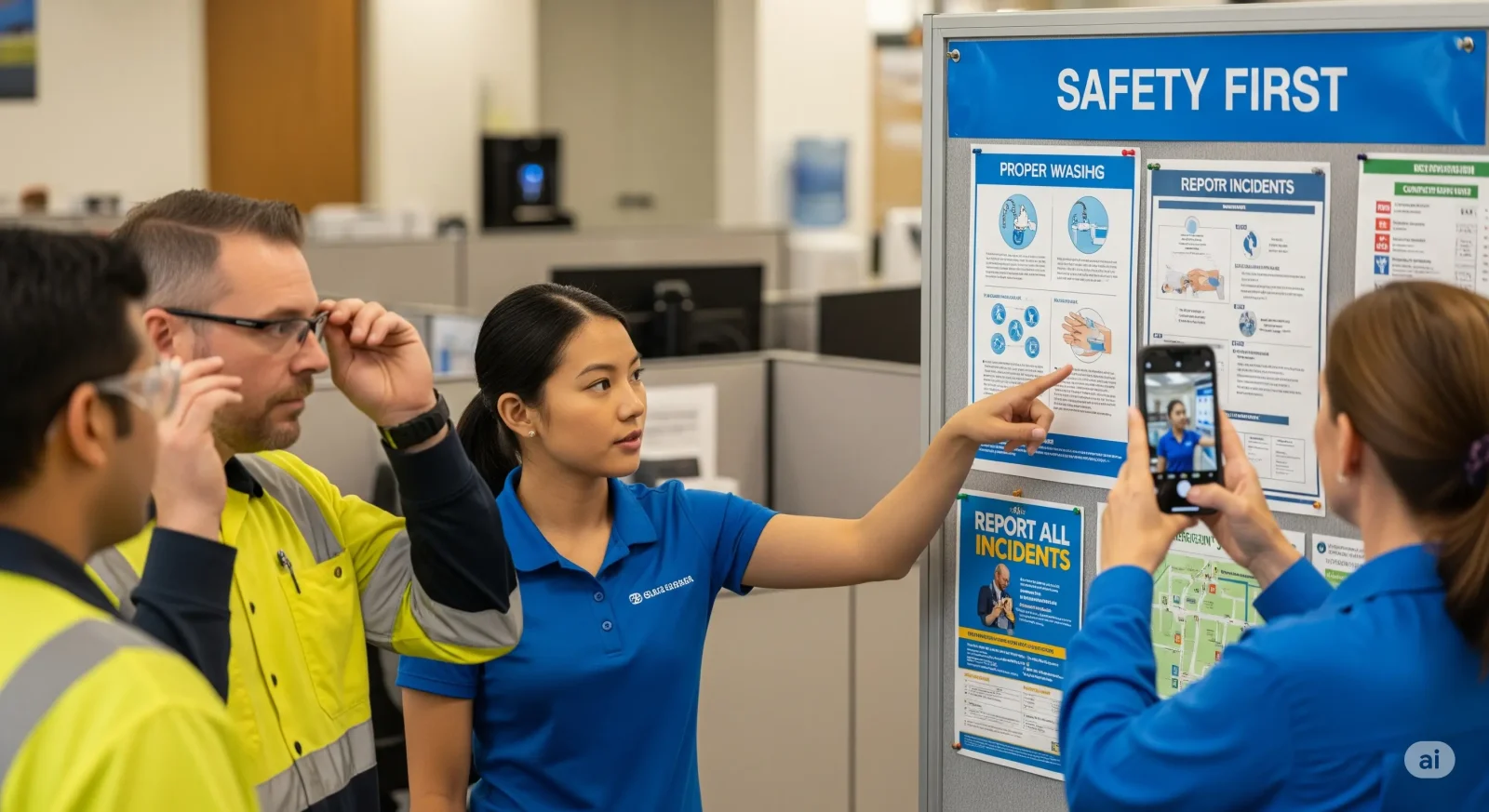
In today’s fast paced and ever evolving American workplace, health and safety have never been more critical. Whether it’s the bustling environment of a manufacturing plant or a quiet, open office floor bustling with keyboards clicking the need to ensure that workers go home safe and sound is paramount. This is where health and safety regulations come into play, and among those, the Health and Safety Executive (HSE) guidelines serve as a global benchmark for workplace safety standards.
While the HSE is a UK based institution, its principles have influenced safety protocols worldwide, including many companies in the United States. Adopting or benchmarking against these guidelines seems sensible given their robust framework for minimizing workplace injuries, illnesses and accidents.
Yet, when we peel back the layers, the reality gets more complicated. US workplaces are incredibly diverse, sprawling, and often decentralized. This complexity introduces significant challenges to implementing and enforcing HSE-like guidelines effectively. From ambiguous roles and responsibilities to patchy enforcement and the rise of new workplace hazards, one must wonder do these guidelines keep pace with the evolving nature of work in America? Or are they just well meaning documents gathering dust on company shelves?
In this blog, we’ll take a human-centered yet critical look at the Health and Safety Executive guidelines as they relate to US workplaces in 2025. We’ll explore their strengths, uncover their weaknesses, and offer pathways to fostering environments where safety is truly integrated rather than merely mandated.
What Exactly Are Health and Safety Executive Guidelines?
Before diving into the critique, it’s helpful to understand what these guidelines entail. The HSE provides comprehensive frameworks designed to keep workplaces safe, focusing on several key areas:
- Risk Assessment : How to evaluate potential hazards proactively, reducing the chance of harm before incidents occur.
- Workplace Safety Training : Teaching employees about machinery, hazardous substances, emergency responses, and more to build awareness and competence.
- Reporting and Documentation : Keeping detailed logs of incidents, near misses and routine inspections to monitor compliance and identify trends.
- Ergonomics and Physical Wellbeing : Preventing repetitive strain injuries, ensuring proper posture and adapting workstations for comfort and safety.
- Emergency Preparedness : Planning for fires, accidents and health emergencies through drills and clear protocols.
- Mental Health Awareness : Recognizing that well being isn’t just physical; mental health plays a crucial role in workplace safety and performance.
For US workplaces, agencies like OSHA (Occupational Safety and Health Administration) adopt many similar principles, yet the practical application varies widely across sectors and states.
Why Health and Safety Executive Guidelines Matter
HSE guidelines embody decades of accumulated knowledge and experience. Some compelling reasons the US workplace can learn from them include
- Global Best Practices : Developed through rigorous research and field experience, these guidelines offer proven methods for risk management.
- Structured Risk Analysis : Systematic identification and mitigation of hazards helps prevent accidents rather than react after the fact.
- Empowerment Through Training : Educated employees can recognize and avoid risks, becoming frontline champions for safety.
- Compliance and Accountability : Providing a clear framework helps businesses meet legal obligations and ethical standards.
- Adaptability Across Industries : The core principles transcend industry boundaries, applying whether you run a warehouse or a software startup.
Given these benefits, it’s understandable why many US companies look to HSE like frameworks to bolster their safety culture and practices.
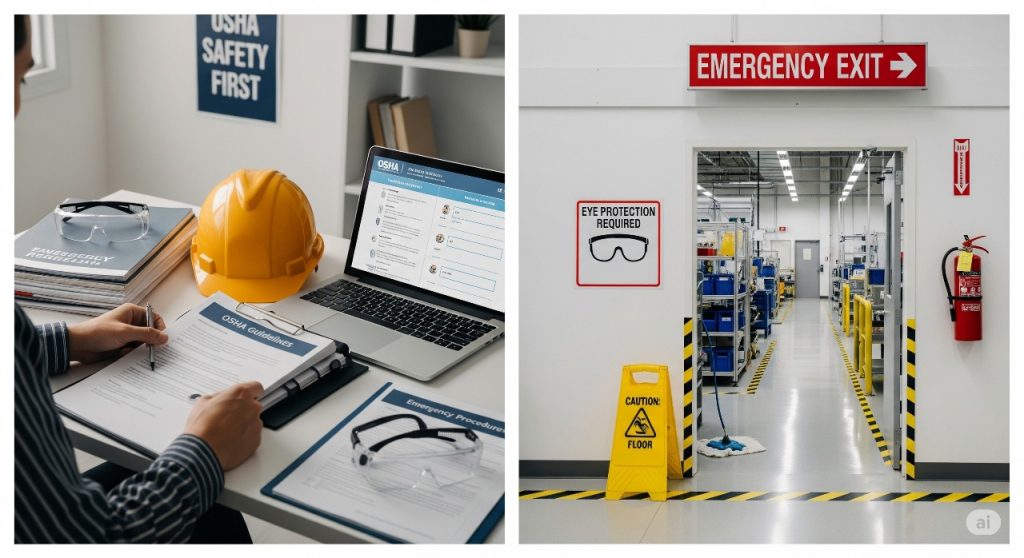
But Here’s the Rub Real World Challenges in US Workplaces
Despite their virtues, these guidelines encounter several obstacles in the sprawling and complex US labor market.
1. Ambiguity in Responsibilities
In sprawling corporate structures where companies subcontract or rely on temporary labor and gig workers, clearly defining who enforces safety guidelines becomes tricky. Who is responsible for training? For reporting accidents? This ambiguity undermines consistent compliance.
2. Limited Inspection Capacity
With roughly 900 OSHA inspectors covering millions of workplaces nationwide, enforcement is patchy. Many companies operate without fear of inspections, reducing incentive for stringent adherence.
3. Lagging Adaptation to Emerging Risks
New hazards bloom as work evolves; think telework ergonomics, exposure to novel chemicals in tech manufacturing or the mental health strain of extended isolation. Static guideline documents struggle to keep pace, leaving gaps in protections.
4. Gaps in Worker Awareness and Voice
Workers in small businesses or sectors with high turnover often lack access to formal training or fear retaliation for reporting unsafe conditions. Cultural differences and language barriers add layers of complexity, stifling proactive safety efforts.
5. Administrative Overload and Compliance Fatigue
Particularly for small and medium enterprises, the paperwork and reporting demanded by safety rules can be overwhelming. Managers juggling multiple hats may cut corners, missing crucial safety steps amid other priorities.
Timeline of HSE Inspired Safety Processes in US Workplaces
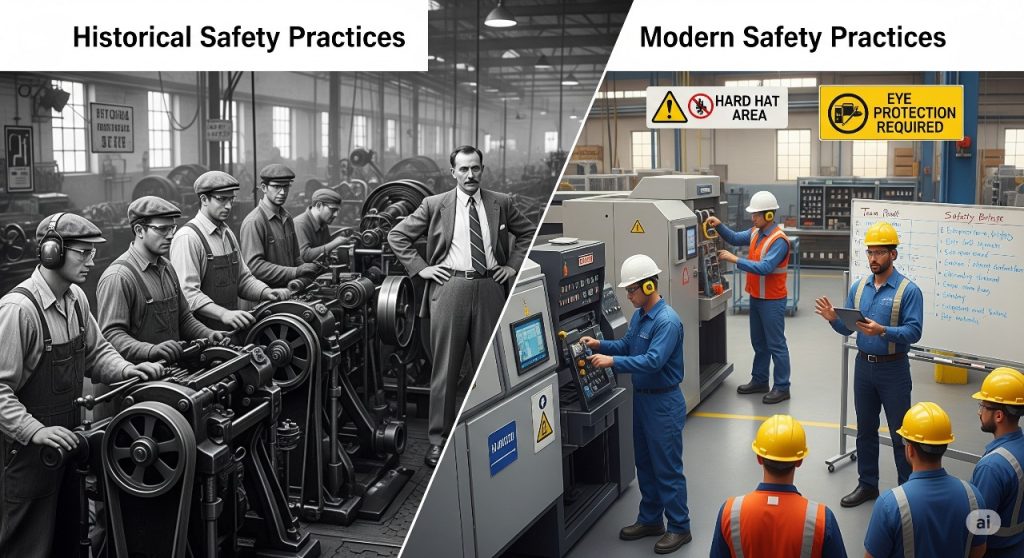
Understanding the evolution of safety processes helps clarify where improvements are needed:
- Pre Employment & Onboarding: New hires attend safety orientations covering core protocols.
- Early Employment: Supervisors conduct hazard assessments and deliver tailored training.
- Daily Operations: Workers are expected to maintain safe practices and report hazards.
- Incident Response: Near misses and accidents trigger investigations and corrective action.
- Ongoing Audits: Both internal and external audits vet compliance levels regularly.
- Long Term Culture Building: The ultimate goal is ingrained safety awareness beyond rulebooks.
Each stage is rich with opportunity and risk for safety enhancement or failure
Practical Tips: How Employers and Employees Can Boost Workplace Safety
- Clarify roles and hold individuals accountable for safety tasks at every level.
- Invest in training tailored to real workplace risks and employee demographics.
- Use technology apps, sensors and reporting tools to detect hazards in real time.
- Foster an open culture where raising concerns is welcomed and protected.
- Streamline documentation through digital means, reducing clerical burdens.
- Refresh safety protocols regularly, reflecting emerging trends and learnings.
Mapping the Regulatory Landscape: US vs. UK Approaches
While the HSE sets standards for UK workplaces, US regulation is less centralized:
- OSHA covers broad industries, but state run OSHA plans vary, leading to fragmented enforcement.
- Private companies may adopt HSE-style guidelines selectively, leading to inconsistent application.
This patchwork approach means safety protection varies widely by geography and sector, complicating nationwide progress.
Conclusion
Health and Safety Executive guidelines offer a robust blueprint for protecting workers one that the US workplace can and should learn from.
Yet, America’s diverse and sprawling workplaces present unique challenges: blurred responsibilities, stretched enforcement, and rapidly evolving risks strain traditional frameworks.
Real progress demands moving beyond checklists. We need workplaces rooted in trust, adaptability and continuous learning. Only then can HSE inspired principles truly safeguard lives and livelihoods across the nation.